Useful AI tools, coding workflows, and source-checked explainers delivered to your inbox. No noise. Every email will include an unsubscribe link, and you can also email ventureloretechnologies@gmail.com to be removed.
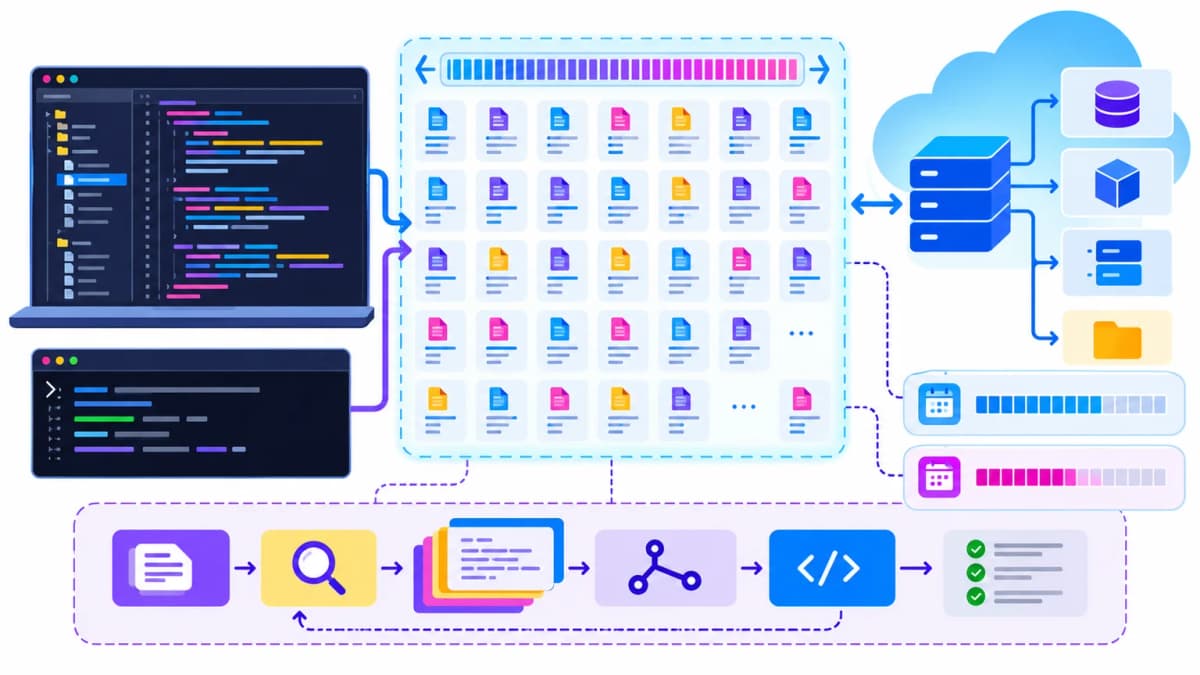
Understand how Codex works across local and cloud workflows, how plan limits differ from API token billing, and how to control context, cost, and permissions.
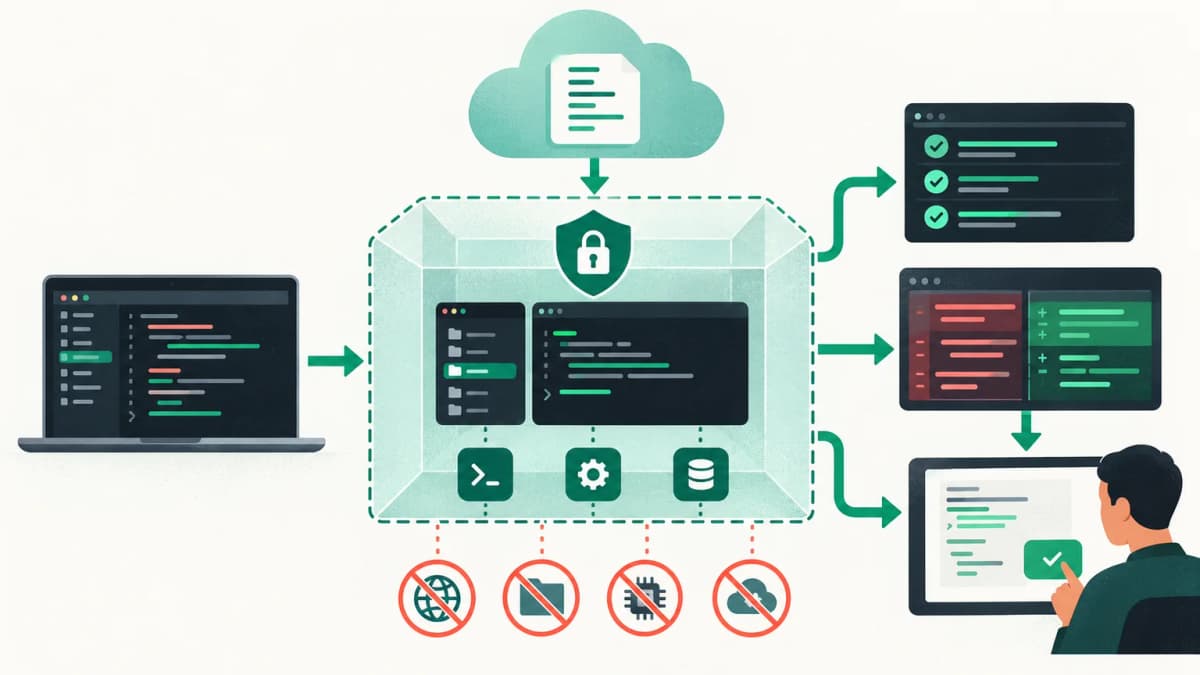
Check AI-generated JavaScript against a clear contract using a cart subtotal example, integer cents, invalid inputs, overflow checks, and runnable assertions.
Reproduce a React state-update bug, write a focused debugging prompt, inspect the fix, and verify the expected behavior with a small runnable exercise.
Advanced Forex trading goes beyond basic indicators and simple chart patterns by focusing on market structure, liquidity, institutional order flow, multi-timeframe analysis, macroeconomic factors, and professional risk management. Successful traders approach the Forex market through probabilities rather than predictions, identifying high-quality opportunities while carefully controlling exposure. By combining technical analysis, fundamental context, disciplined execution, backtesting, and trading psychology, traders can develop a structured and data-driven approach designed for changing market conditions.
Why electricity demand is rising, why storage and grid upgrades matter for solar and wind, and how to judge claims about batteries and long-duration storage.
How the EU AI Act, UK, US and UAE approaches differ in 2026, what the EU's Digital Omnibus changed, and a practical compliance checklist for businesses.
Structure-based trading is a price-action strategy that focuses on understanding market movements through higher highs, higher lows, lower highs, and lower lows. Traders use concepts such as Break of Structure (BOS), Change of Character (CHoCH), support and resistance, and liquidity to identify potential trends and reversals. By combining market structure with multiple timeframes and proper risk management, traders can find more systematic entry, stop-loss, and target levels instead of relying solely on indicators.
Chart patterns are important tools in technical analysis that help traders understand market structure and identify potential continuation or reversal setups. This article explains popular patterns such as double tops, double bottoms, head and shoulders, triangles, flags, pennants, and rectangles. It also covers confirmation, support and resistance, volume, risk management, and common mistakes. Understanding chart patterns can help traders make more structured decisions while recognizing that no pattern guarantees a particular market outcome.