AI chatbots answer prompts. AI agents can carry out a bounded task by planning steps, using approved tools, and reporting what happened. That difference matters when you are choosing an AI assistant for coding, research, support, or repetitive office work.
AI chatbot vs AI agent: the short answer
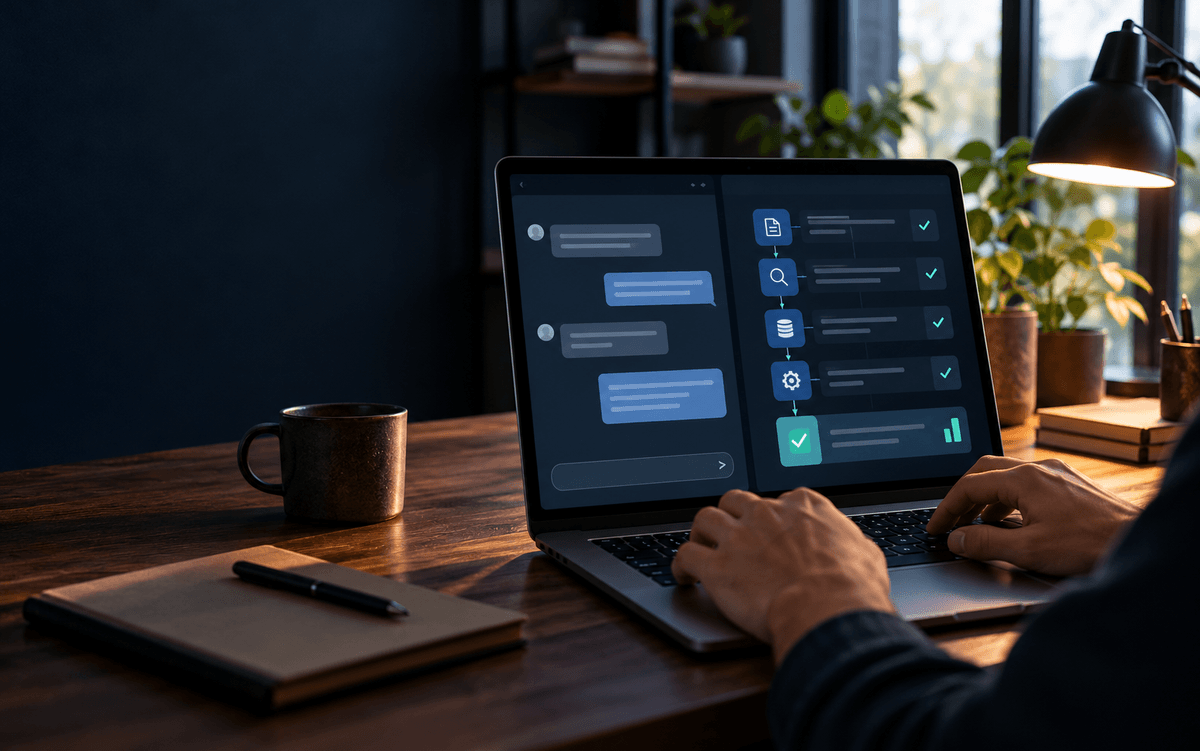
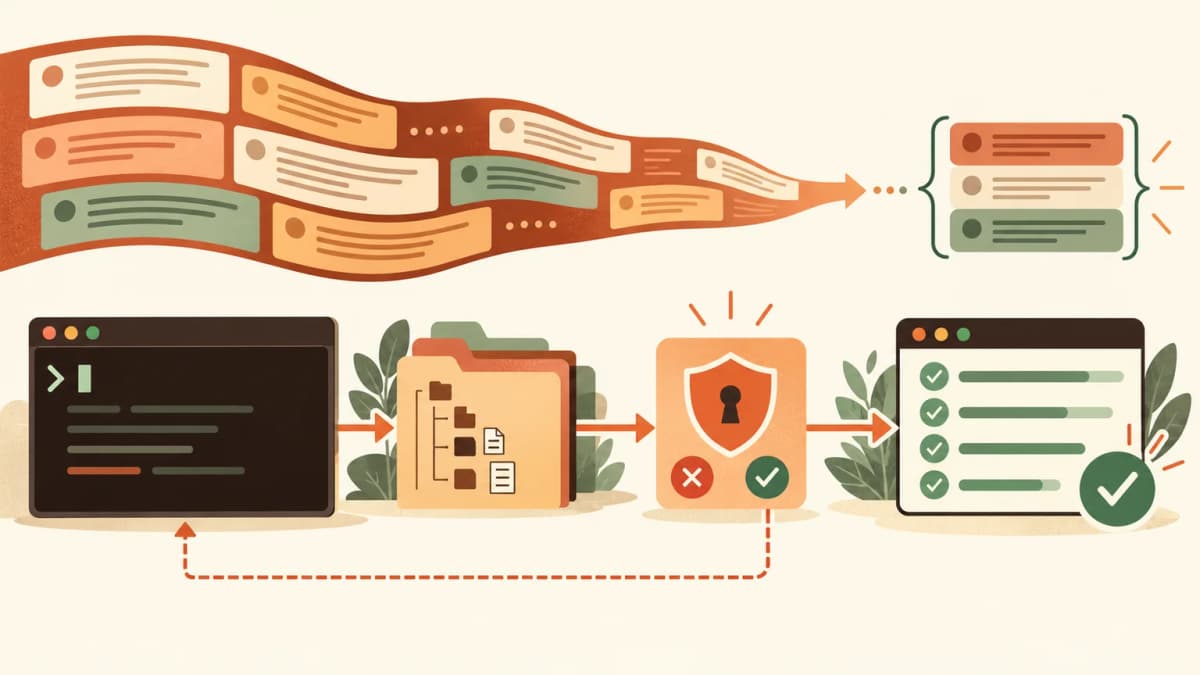
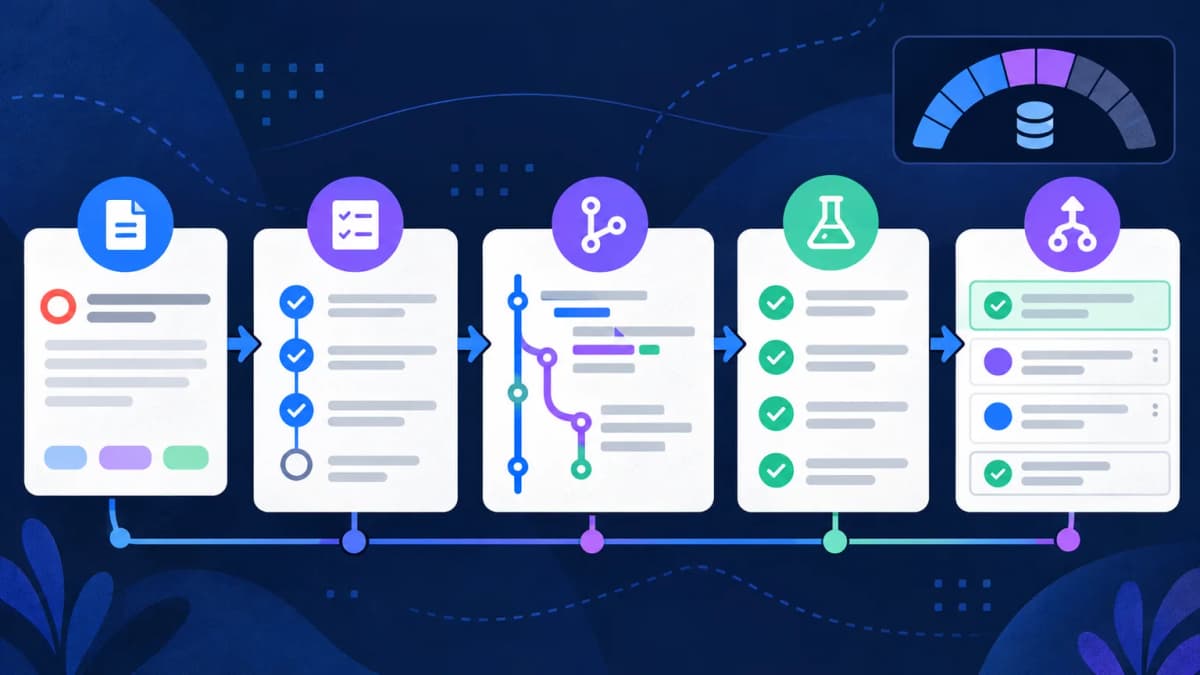
A chatbot is primarily a conversational interface: you ask, it generates a response. An agent adds a loop around the model. It interprets a goal, chooses actions, calls tools or retrieves information, checks results, and may continue until a stopping condition is met. The boundary is not absolute; many products expose both chat and agent features.
Tool use makes a workflow more useful and more risky. A chat model may explain how to update a spreadsheet. An agent might read a permitted file, calculate a value, write a draft, and ask for approval before sending anything. The agent does more work, but it also needs clear permissions, logs, limits, and a human checkpoint.
- Chat: best for brainstorming, explanations, rewriting, and one-off questions.
- Agent: best for repeatable multi-step work with defined inputs, tools, and acceptance checks.
- Workflow automation: best when the steps are deterministic and do not need open-ended reasoning.
A practical test you can run
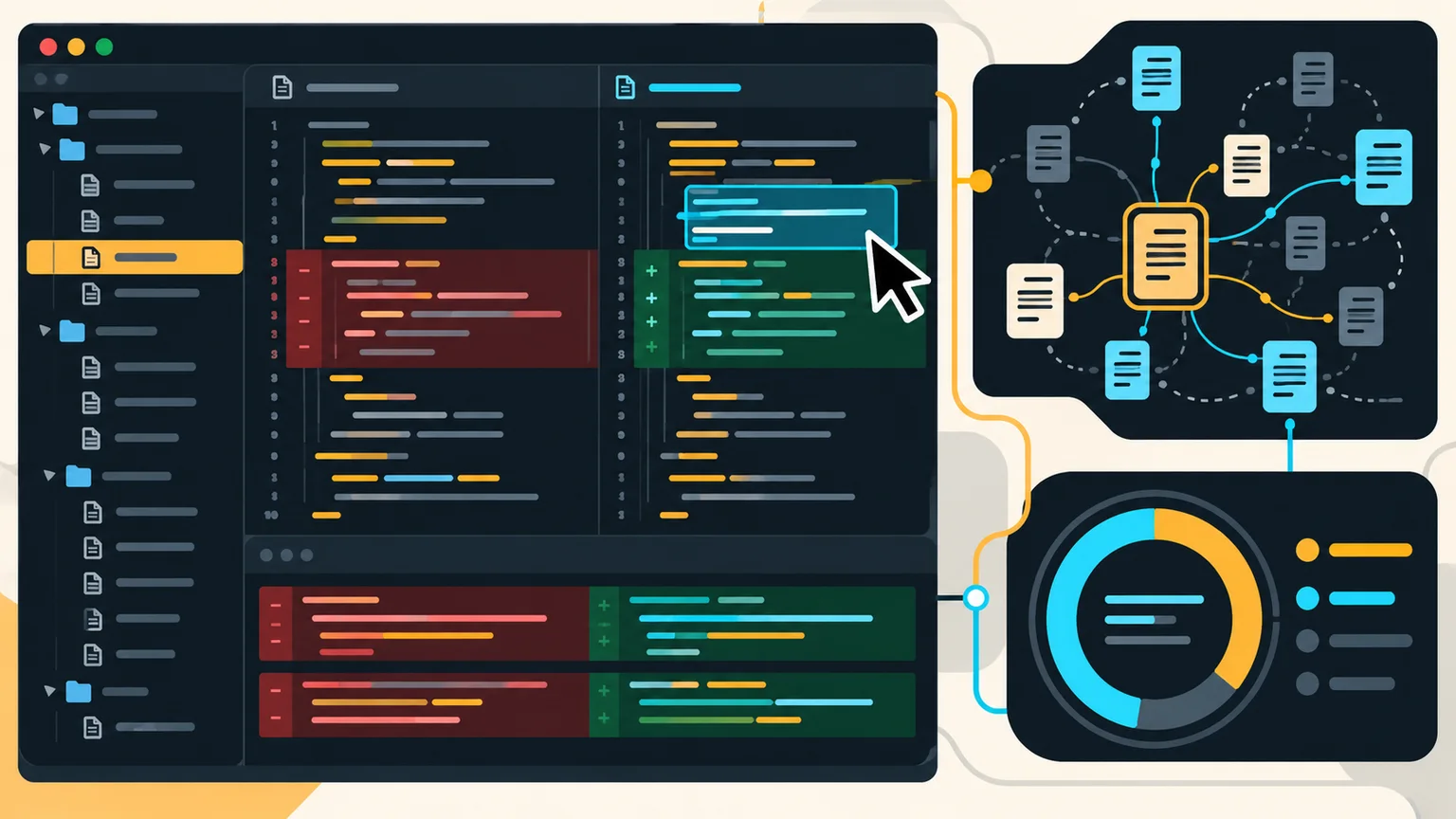
Give both systems the same small task: “Review this JavaScript function, identify one bug, propose a patch, and explain how to test it.” Score the result on four points: factual accuracy, whether the patch works, whether the explanation is traceable to the code, and whether the system clearly states uncertainty.
For an agent test, add a restricted tool such as a read-only project folder. Do not begin with production credentials. Record which files it read, which commands it proposed, what it changed, and whether a person approved the final action.